

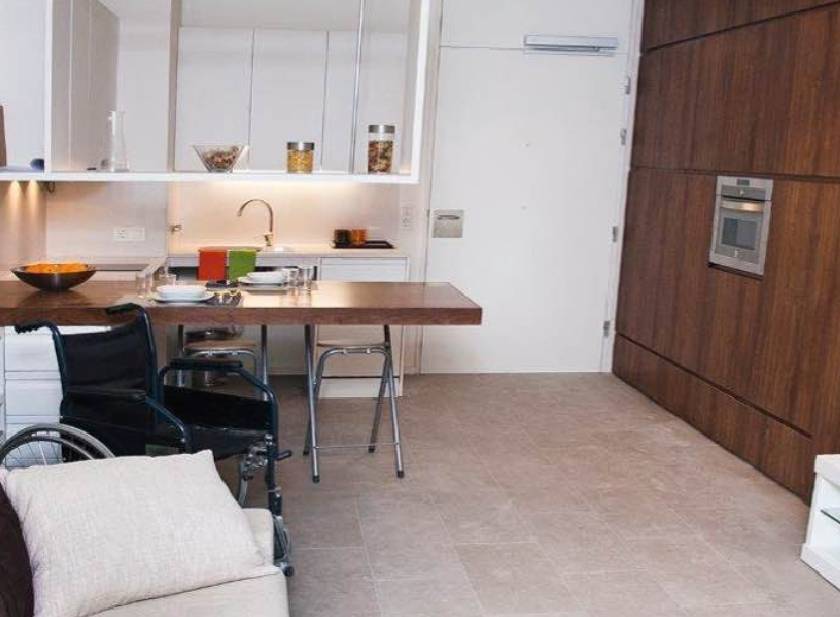
If you’ve decided to come to Barcelona for surgery, a second opinion, rehabilitation, or a long-term treatment, it’s normal for the trip planning to feel more “serious” than a holiday. This time it’s not only about the destination: it’s about resting well, moving without obstacles, and getting to your appointments calmly.
In this guide, we explain how to plan a medical tourism trip in Barcelona in a practical way—especially for people with reduced mobility, caregivers, families, and organized groups who need an accessible, well-coordinated stay. If you’re also exploring health tourism options, these steps will help you feel safer and more comfortable throughout your stay.
Before you travel: the essentials to avoid surprises
When the goal of your trip is medical, the more you can arrange from home, the more peace of mind you’ll have when you arrive.
Recommended checklist:
- Up-to-date medical reports (diagnosis, test results, medication, allergies, mobility level, and specific needs).
- Prescriptions and written instructions (and, if possible, a digital copy).
- Health insurance or prior authorization (if applicable) and emergency contact numbers.
- Care plan: if you’re traveling with a caregiver, confirm whether you’ll need extra support at any point (transfers, showering, wound care, etc.).
- Assistive equipment: wheelchair, pressure-relief cushion, portable hoist, splints… plus chargers/adapters if you use powered devices.
- A realistic schedule: avoid stacking medical appointments without breaks. With reduced mobility, transfers and waiting times can be more demanding.
Accommodation: the key to comfortable (and safe) recovery
On a medical tourism trip to Barcelona, accommodation isn’t “just a place to sleep”: it’s part of the treatment. A poorly adapted space can add stress, pain, or even increase the risk of falls.
What to check before booking
- Step-free entrance at street level or with a ramp, with no steps at the doorway.
- A spacious elevator (if it’s not a ground-floor property).
- An adapted bathroom: roll-in shower, grab bars, turning space.
- Wide, clear spaces to maneuver with a wheelchair or walker (bedroom, living room, hallways).
- A comfortable bed and rest areas for your recovery (and for the companion/caregiver).
- A practical neighborhood: supermarkets, pharmacies, and easy transport options.
Why choosing an adapted apartment makes a real difference
At MICS Sant Jordi, the apartments are designed for people with dependency, disability, and/or reduced mobility, with the aim of supporting the most independent life possible, and they provide 24-hour comprehensive assistance.
This is especially valuable if you’re coming for surgery or an ongoing treatment: knowing you’re in a prepared environment reduces the mental load of the trip.
Barrier-free mobility: how to get around Barcelona with more peace of mind
Barcelona has made major progress in accessibility, but the key is planning routes and having alternatives.
Public transport: plan ahead and feel safer
- Buses: many have retractable ramps to help wheelchair users board.
- Metro: a large part of the network has elevators and adapted access, but it’s worth checking your route before you leave (some stations may have temporary works or out-of-service lifts). MICS Sant Jordi also recommends planning your journey using TMB resources and accessibility apps.
- Priority spaces: on buses and the metro, reserved areas and priority seats are intended for people with reduced mobility. Remember you have the right to use them.
Practical tip: if you have tight medical schedules, consider combining public transport for relaxed outings and door-to-door rides for clinic or hospital days.
Transfers to hospitals and clinics: reduce stress and waiting time
On a medical trip, arriving late isn’t an option—and arriving anxious doesn’t help either.
Common options
- Accessible taxis (best booked in advance, especially if you’re traveling as a group).
- Private medical transport if you need a stretcher or assistance.
- Ride-hailing/VTC: useful if you don’t need an adapted vehicle but want tracking and less waiting.
Advice: choose accommodation with strong public-transport links and an “easy” surrounding area (wide sidewalks, accessible crossings, nearby services). MICS Sant Jordi highlights its good connections to public transport and services designed for accessible stays.
During your stay: routines that help you recover better
Beyond the treatment itself, a comfortable stay is built on the small details.
Recommendations that often work well:
- Plan rest breaks between appointments (and recovery days with no sightseeing).
- Identify nearby pharmacies and a supermarket so you don’t depend on long trips.
- Protect your sleep: an accessible, spacious apartment makes moving around less effort—and you feel it by the end of the day.
- Traveling with a caregiver: agree on roles and downtime. On long stays, caregiver fatigue matters too.
If you also want to do some sightseeing: gentle, accessible plans
Barcelona can be enjoyed without “marathons.” If you’re in treatment, it’s best to choose short, low-effort activities with plenty of breaks—like walks in flat areas, cultural spaces with adapted access, or viewpoints with good infrastructure.
Golden rule: before you go, confirm access, adapted bathrooms, and how to get there (a beautiful street can be uncomfortable if there are cobblestones or narrow sidewalks).
MICS Sant Jordi: adapted accommodation for medical stays and accessible tourism
If you’re looking for accommodation for reduced mobility, MICS Sant Jordi offers fully adapted apartments, focused on supporting autonomy and wellbeing, plus 24-hour assistance.
This is especially helpful when the reason for your trip is medical: you don’t just need “somewhere to stay,” you need a place that makes everything easier.
If you’d like, you can contact the team and explain your case (type of mobility, whether you travel with a caregiver, length of stay, bathroom needs or transfer requirements). The more information they have, the better they can advise you.
Contact us if you’re preparing your trip to Barcelona.